
Sustainable Retrofitting for Better Homes
A clearer plan for a more comfortable, energy-conscious home.
WSN.earth is a concept for helping homeowners, building professionals, and communities plan sustainable retrofits together — starting from the building, documenting every decision, and measuring what really changes.
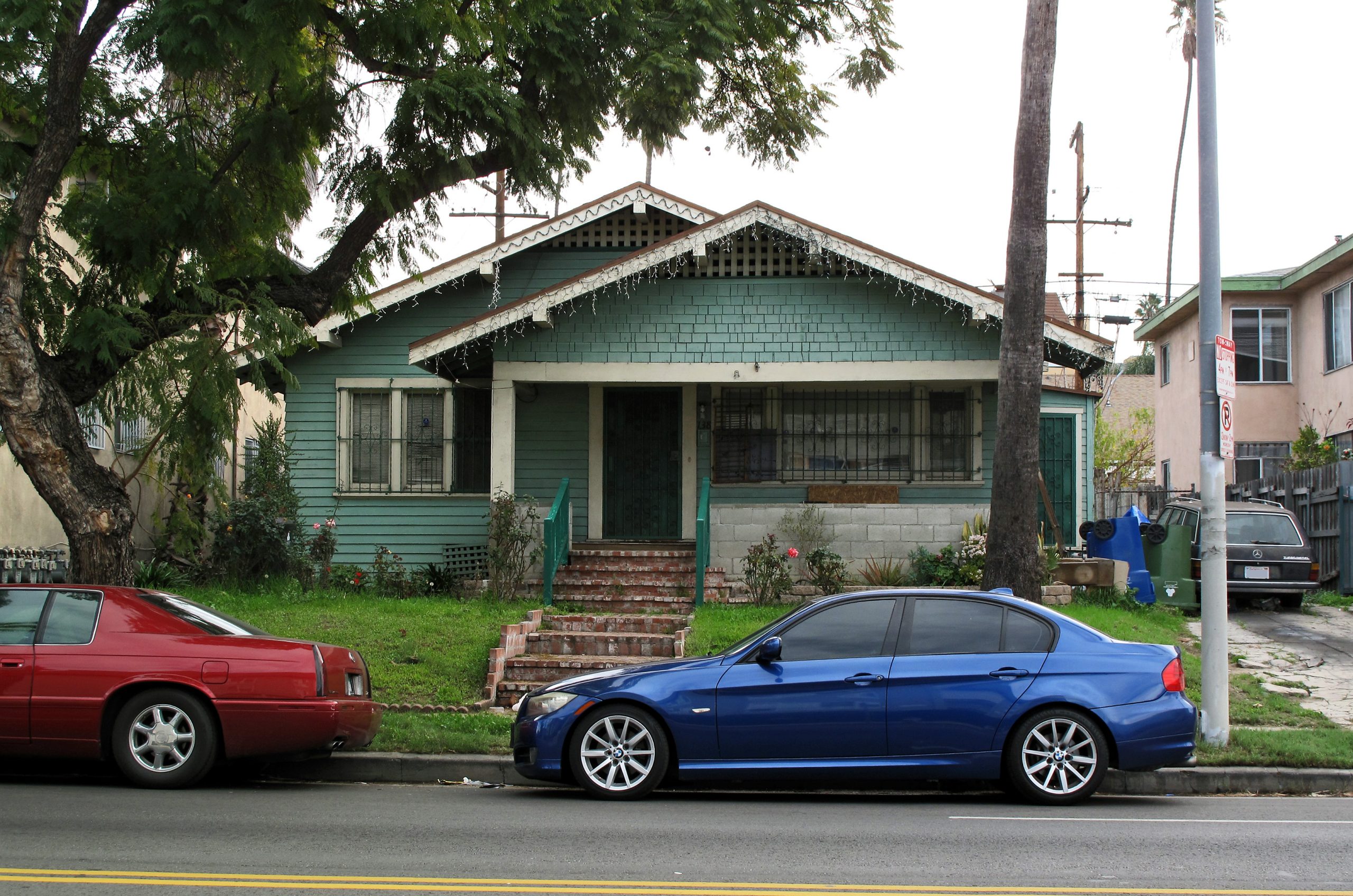
Where we are: WSN is in a listen-and-learn phase. Platform development is paused. The next step is to speak with homeowners and professionals and explore a few documented retrofit plans, subject to feasibility. A project review is planned from mid-2027.
The problem
Why good retrofits are hard to start
Many existing homes waste energy, struggle in heat or cold, and will need upgrades. Yet the path to a good retrofit is rarely clear.
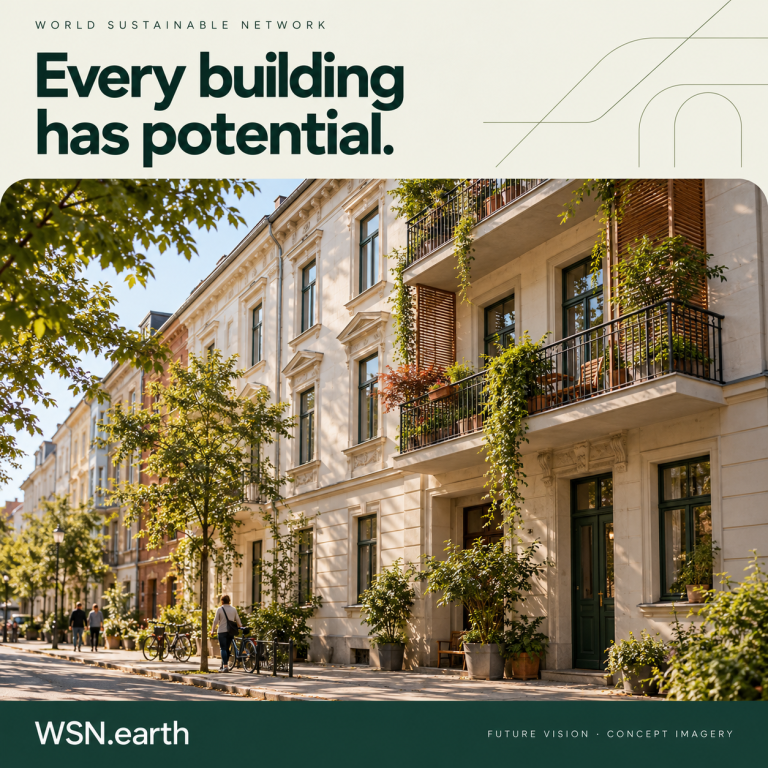
Where do I start?
Homeowners often choose a single product — a new AC unit, windows, or panels — before understanding the building as a whole.
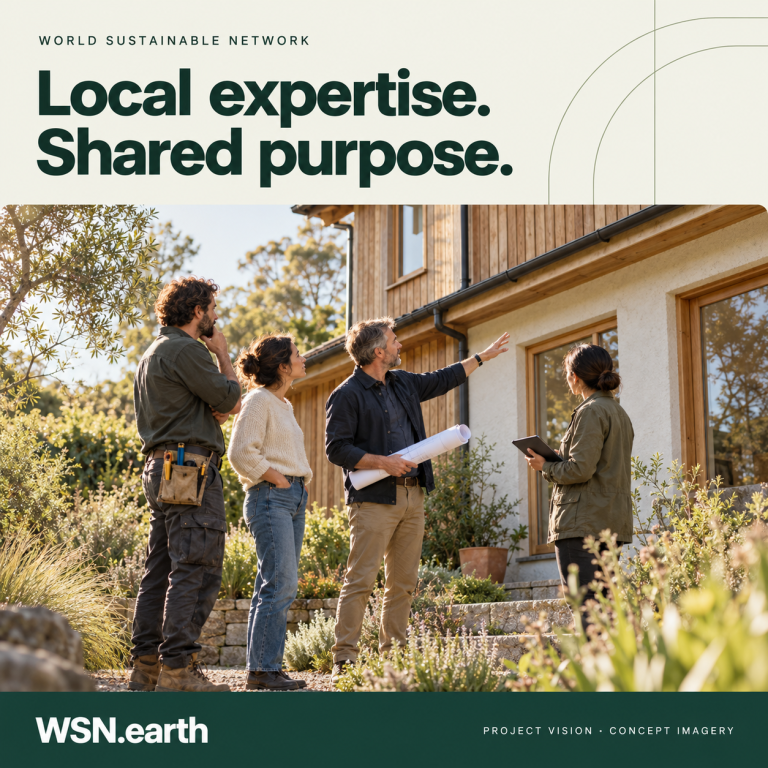
Who can I trust?
Assessment, design, incentives, and installation sit with different people. Knowing whom to ask, and in what order, is hard.
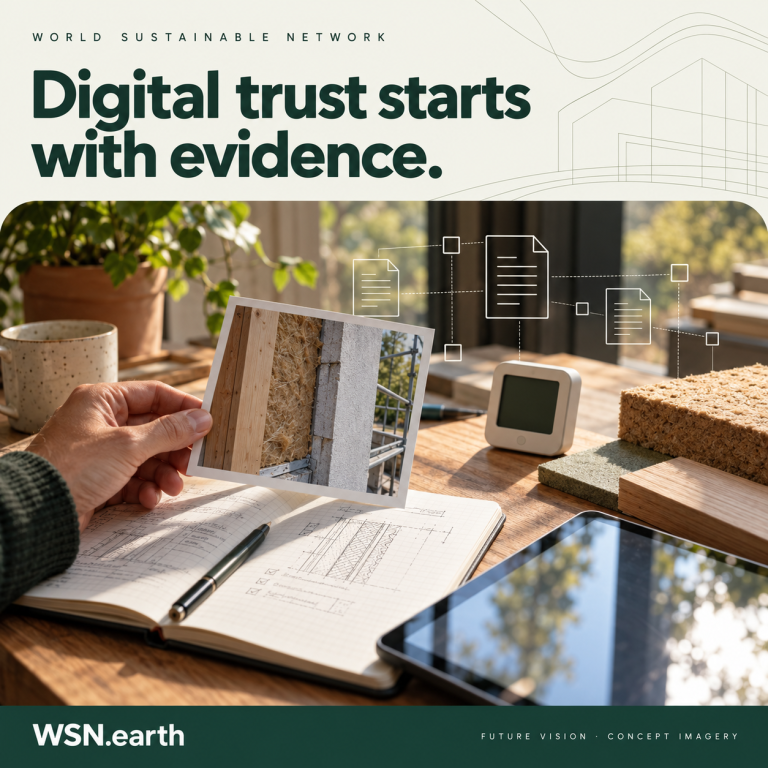
Did it work?
Expected savings are not always compared with real energy use, so opportunities to learn from completed work are missed.
The idea behind WSN
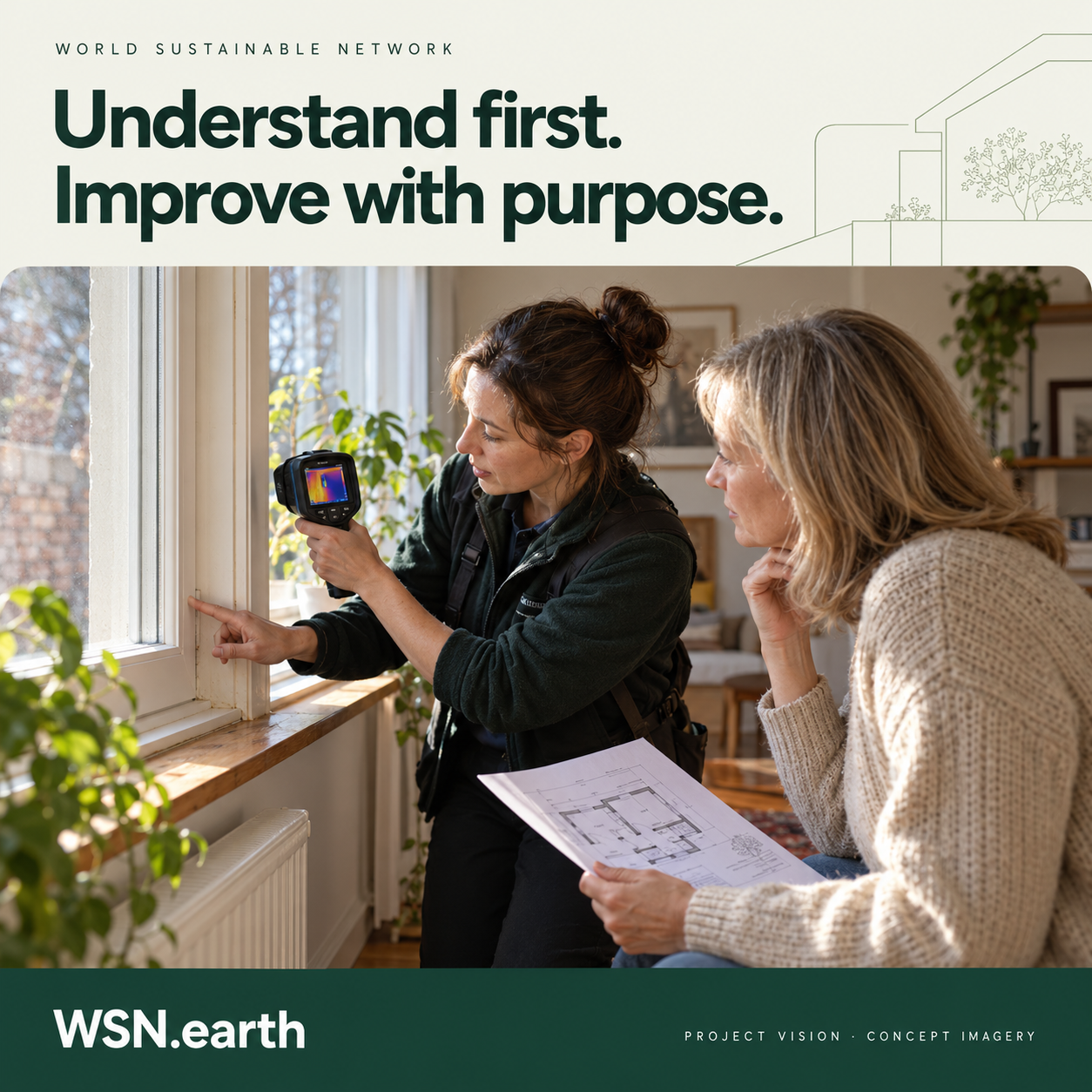
Better buildings start with better decisions
WSN aims to bring these questions into one understandable journey — from reading the building to learning from the results.
The vision is a network that connects building knowledge, local expertise, and clear project records — starting small and learning from real homes.

More comfort
Put everyday needs, indoor conditions, and the local climate at the center of the plan.

Less wasted energy
Understand the building before choosing suitable improvements.

Clearer choices
Compare options, document decisions, and learn from the results.
A practical process
Sustainable retrofitting, step by step
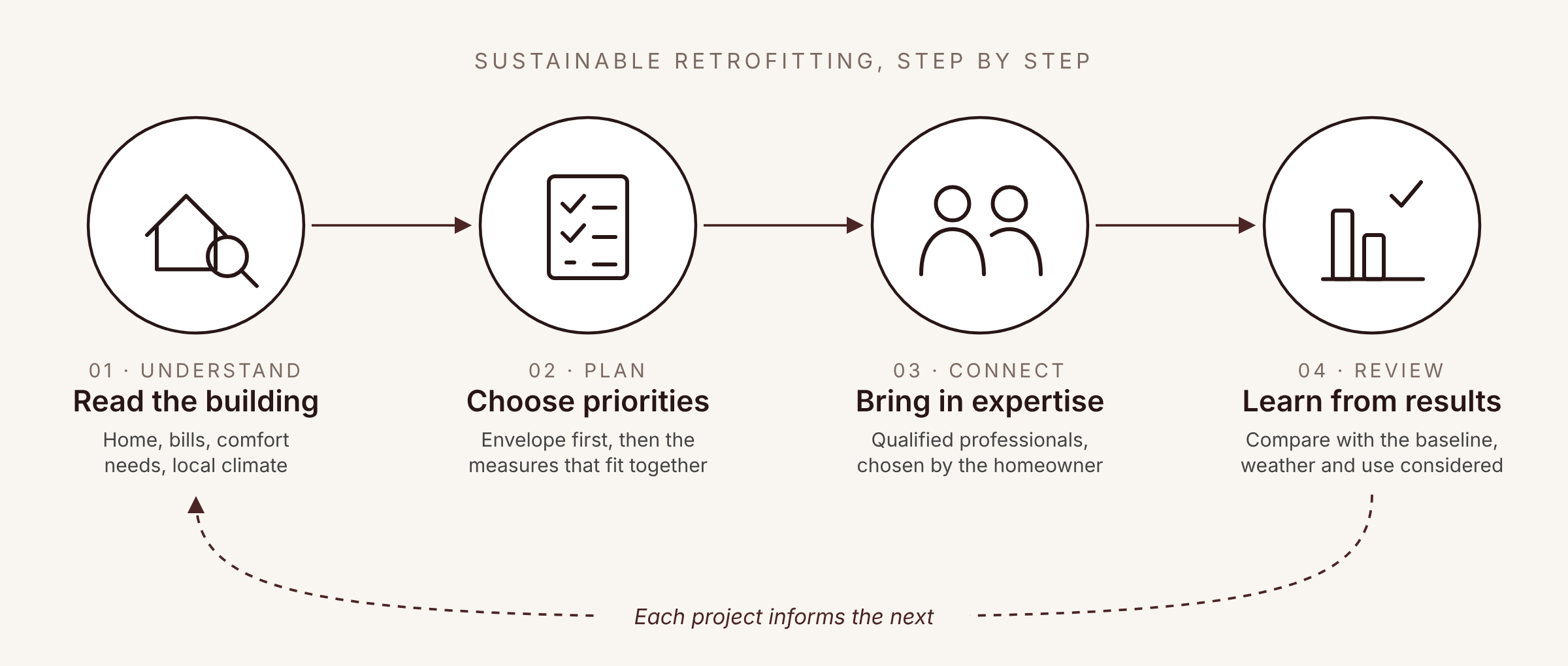
A future pilot would test four simple steps before a wider platform takes shape.
01 · Understand
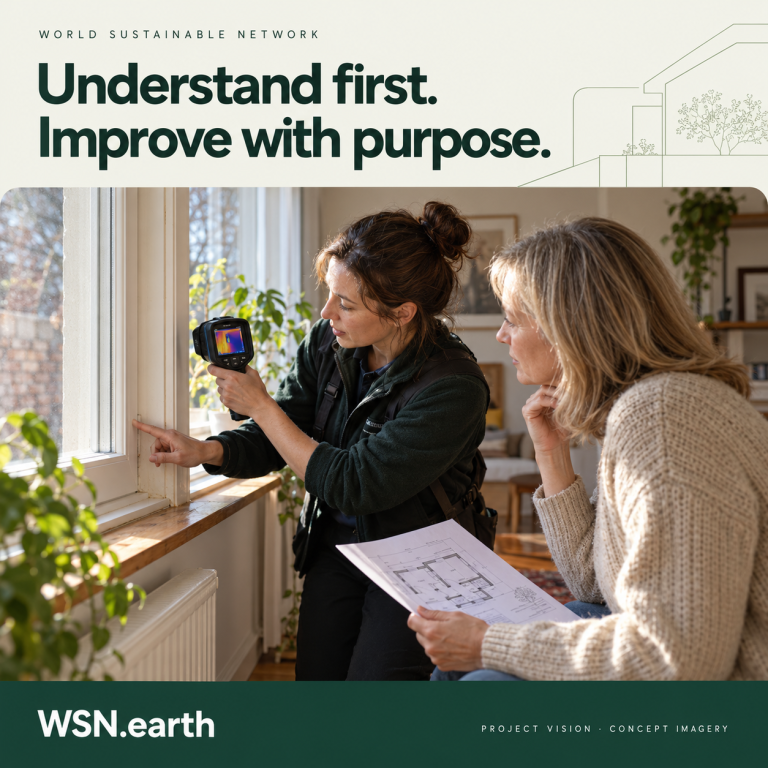
Read the building
Review the home, energy bills, comfort needs, and climate. Identify what needs a professional assessment.
02 · Plan
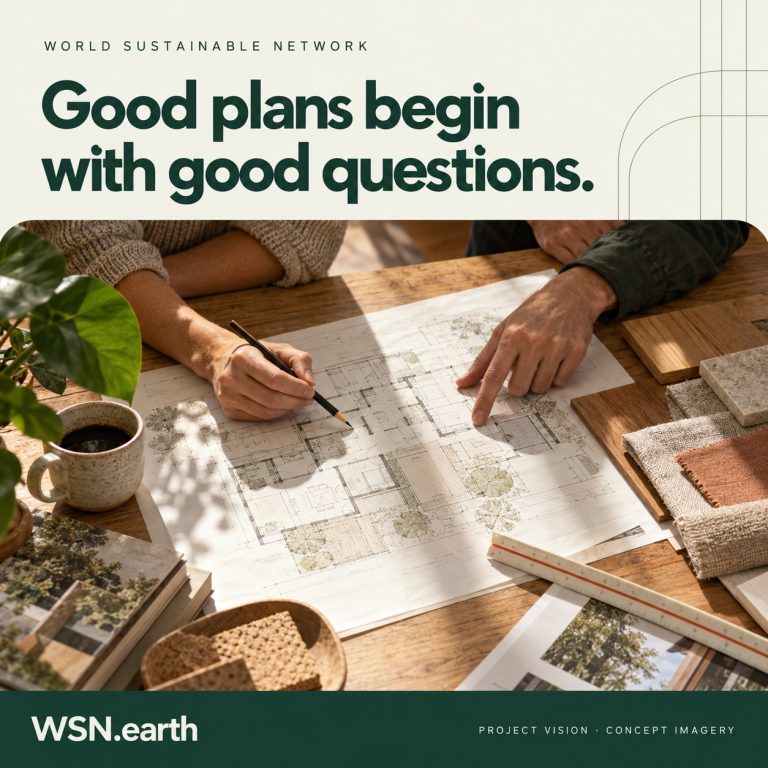
Choose the priorities
Compare suitable upgrades, costs, and constraints. Start with the building envelope, then focus on measures that make sense together.
03 · Connect
Bring in expertise
Explore a proposed professional directory. Homeowners would choose providers and agree the work directly.

04 · Review
Learn from the outcome
Document completed work and compare results with the starting point, accounting for weather and occupancy.
The building record
Every home deserves a clear record
Each step adds to a building record: a clear, cumulative history of the home. It would help homeowners plan improvements one sensible step at a time, give professionals a reliable starting point, and could make improvements easier to demonstrate in the future.
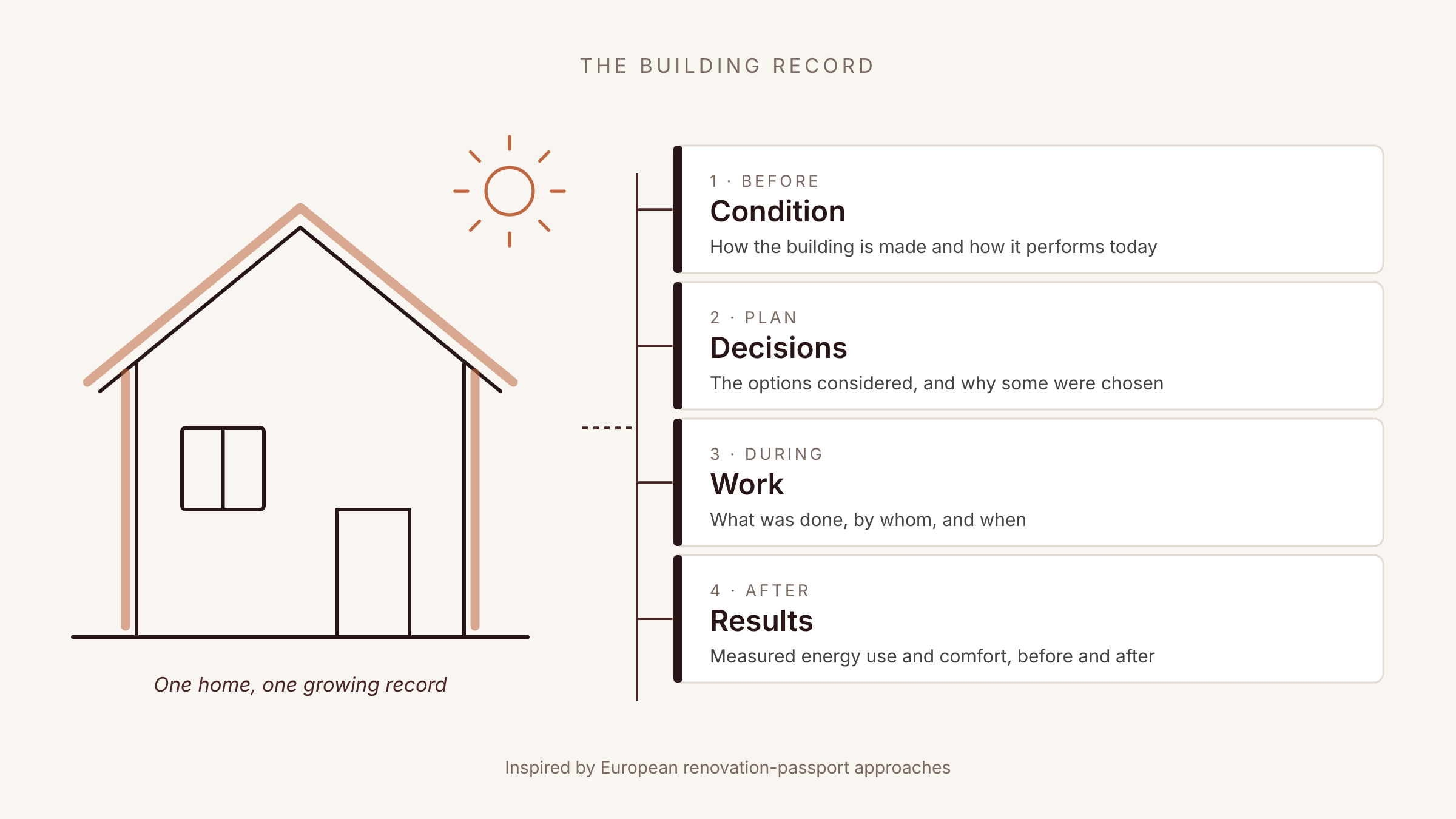
What the record would include
Condition
How the building is made and how it performs today.
Decisions
The options considered and why some were chosen.
Work
What was done, by whom, and when.
Results
Measured energy use and comfort, before and after.
Inspired by renovation-passport approaches developed in Europe, adapted to homes in the United States. This proposed record is not an official renovation passport or energy certificate.
Who it is for
One vision, different perspectives
Homeowners
Understand the options, prepare better questions, and organize a retrofit with confidence.
Building professionals
Architects, energy assessors, engineers, and qualified contractors: a proposed space to explain services and work from better-prepared projects.
Communities & public partners
Shared lessons and anonymized evidence from future pilot homes. Collaboration with local programs is a future possibility, not a current partnership.
Initial focus: existing single-family homes in the Los Angeles area. Comfort during extreme heat, climate resilience, and understanding available incentive programs would guide the first questions to explore.
Real progress needs evidence
Measure what changes
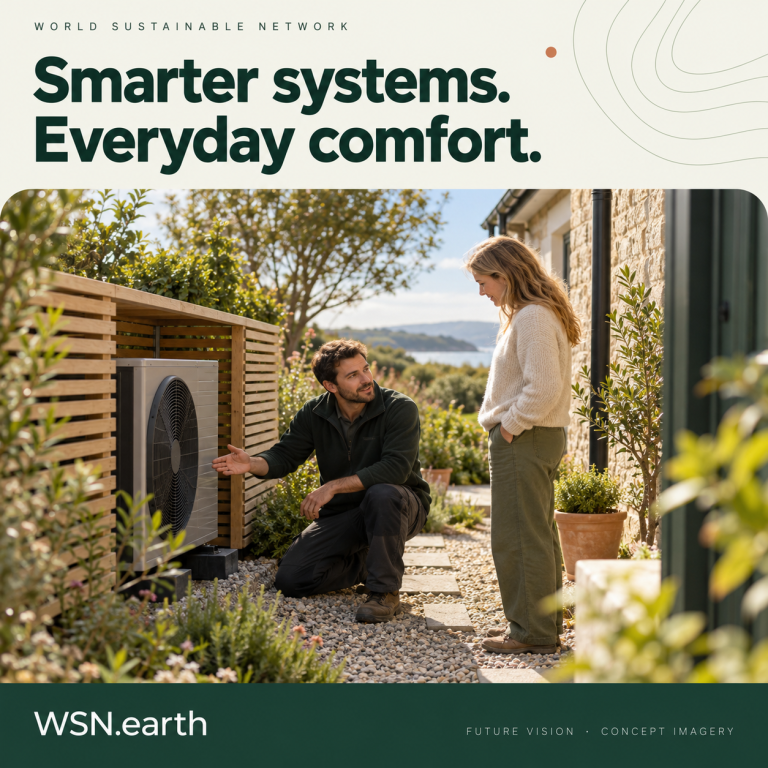
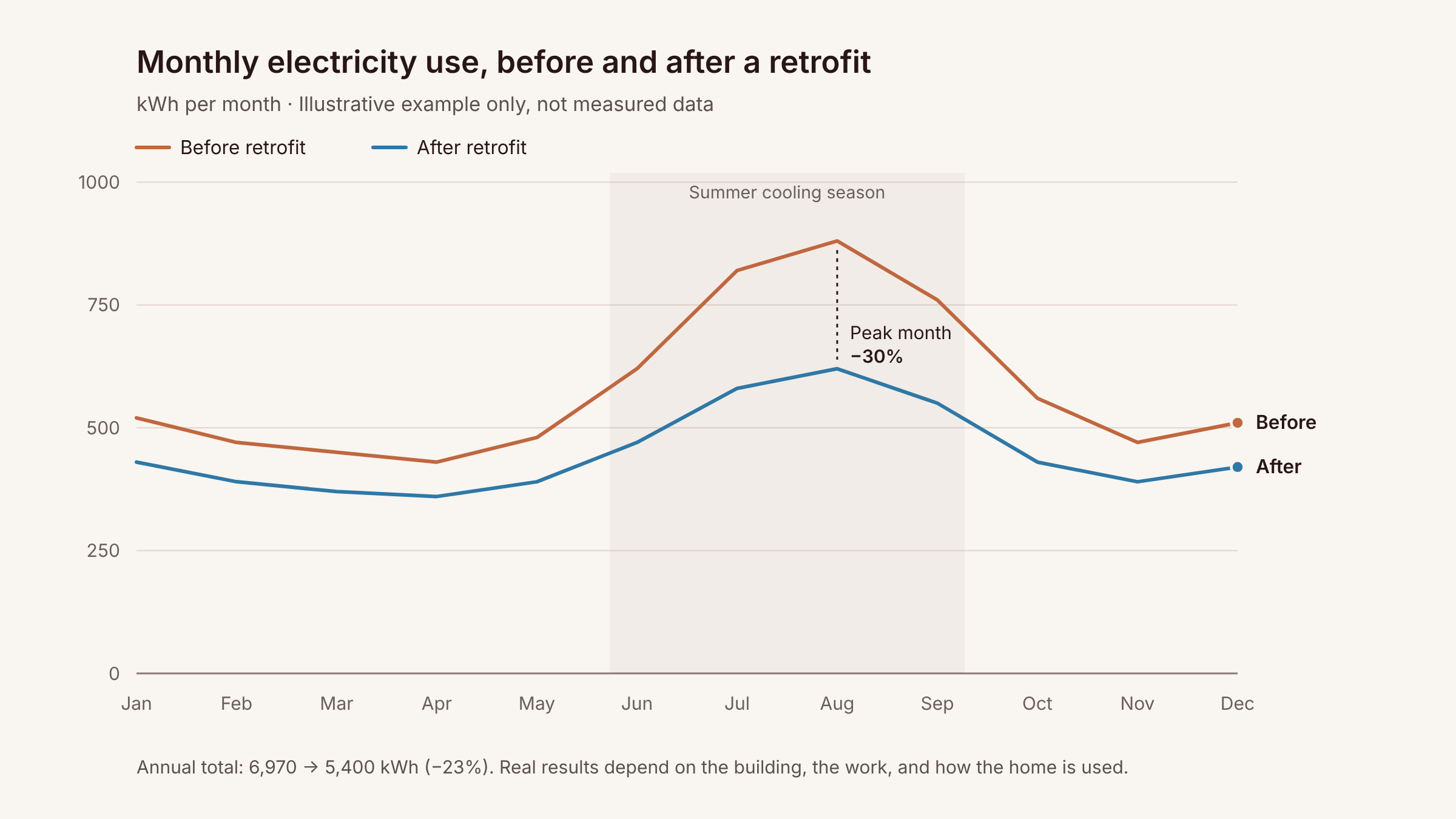
A useful pilot would begin with a documented baseline and a clear scope. It would distinguish estimates from measured results, explain assumptions, and share lessons with permission.
Before
Record the building’s condition, available energy data, and the needs of its occupants.
During
Document the agreed work, responsibilities, and evidence of completion.
After
Review energy use and comfort over a suitable period. Explain what the data can and cannot show.
Outcomes depend on the home and the work. For independent background, explore the U.S. Department of Energy’s Energy Saver resources.
The next chapter
The road ahead, one phase at a time
These planning windows depend on resources, collaborators, and the results of each stage.

Now – mid-2027
Listen & learn
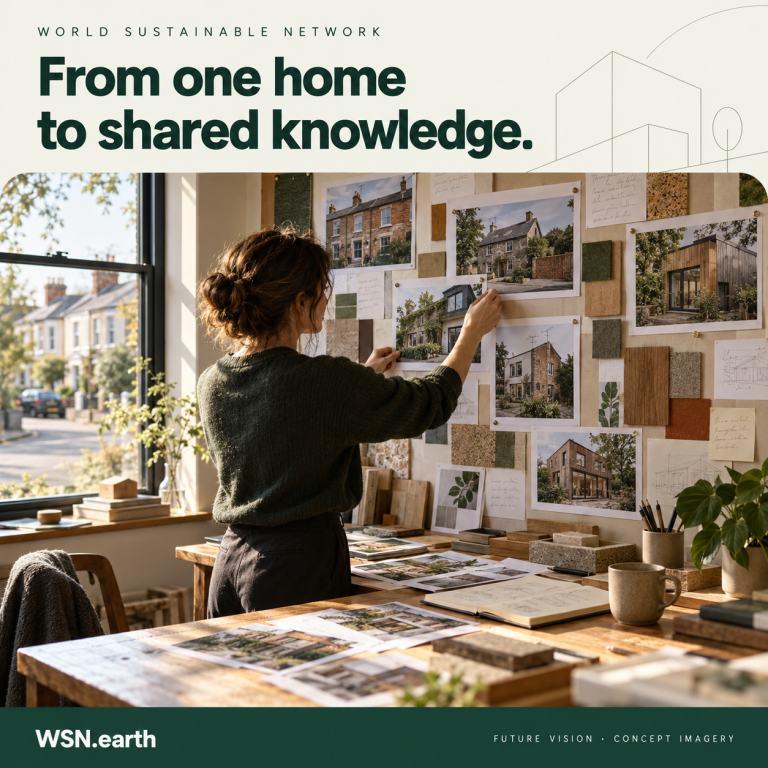
Seek conversations with homeowners and professionals. Explore case-by-case documented retrofit plans if feasible, to test the process.
Mid-2027
Review the vision
Choose an initial focus and a manageable pilot question, based on what has been learned.
Late 2027
Shape a prototype
Define the workflow, explore a directory concept, and design the evidence collection method.

2028 and beyond
Test, learn, decide
Explore a small pilot if feasible. Use the findings to decide whether and how the network should grow.
Concept brief
Practical value comes first
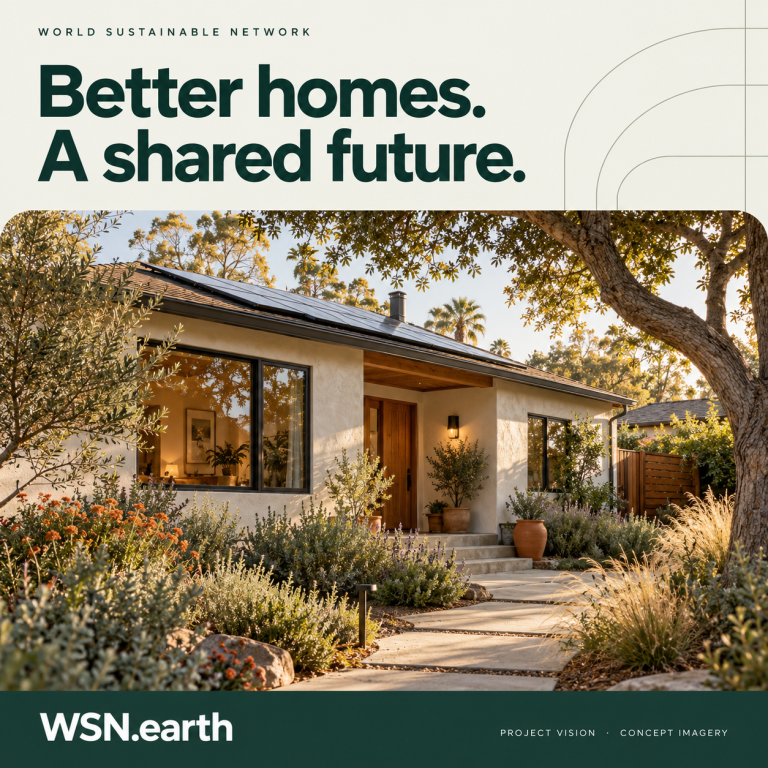
Concept illustration · A vision to explore, not a completed WSN project.
WSN is currently a concept. Services, the professional directory, and pilot enrollment are not yet available. The priority is to validate a useful process for existing homes before building anything larger.
What WSN is not
- Not a token offering — no token sale, staking, rewards, or token-based membership.
- Not an investment — no returns or financial benefits are offered or promised.
- Not a fundraising campaign — WSN is not accepting donations.
- Not a contractor — homeowners choose and contract professionals directly.
- Not a savings guarantee — results depend on the building, the work, and its use.

The founder
Riccardo Zerbinati
Architect and designer · Los Angeles
Italian architect and designer with a background in sustainable architecture, bioclimatic design, and digital architecture. Riccardo created WSN to explore how design and technology can make sustainable retrofitting more accessible and grounded in measurable results.
“I want WSN to make the first step easier: understand the home before choosing the upgrade, then keep a clear record of what changes and what we learn.”
Riccardo Zerbinati
A few useful answers
Frequently asked questions
The project today
What is WSN.earth?
WSN stands for World Sustainable Network. It is a concept for connecting homeowners, building professionals, and communities around practical, documented sustainable retrofitting.
Is the platform available now?
Not yet. Platform development is paused while WSN is in a listen-and-learn phase. The professional directory, platform services, and pilot enrollment are not yet available.
When could the project resume?
A project review is tentatively planned from mid-2027. Further steps depend on feasibility, resources, and suitable collaborators; the roadmap is indicative.
Where can I read the current project direction?
The concept brief and roadmap on this page describe the current direction. Earlier project materials have been withdrawn and should not be treated as a current plan.
Homes and results
What could a retrofit include?
Depending on the building, it could involve insulation, shading, air sealing, ventilation, efficient equipment, or renewable energy. A qualified professional would assess which measures suit the home.
What is a building record?
A clear, cumulative history of a home: its condition, the options considered, the work completed, and the measured results. It is inspired by European renovation passports and would be created step by step during a retrofit.
Does WSN guarantee energy savings?
No. Results depend on building conditions, the chosen measures, installation quality, and use. A future pilot would compare outcomes with a documented baseline.
Why start in Los Angeles?
It is where WSN’s founder is based. Starting with local homes would make it easier to understand comfort, climate resilience, upgrades, and incentives before considering any expansion.
Getting involved
Is there a WSN token?
No. An early 2025 concept explored a token, but it was never part of the current project and has been withdrawn. WSN does not offer any token, staking, or rewards.
Can I express interest in collaborating?
Yes. Use the contact form to introduce your expertise or idea. This is an expression of interest rather than a job application, membership, partnership, or confirmed pilot place.
Does WSN accept donations?
No. WSN is not currently accepting donations or funding of any kind.
Keep the conversation open
Have an idea for better buildings?
Whether you’re a homeowner thinking about a retrofit, a professional, a researcher, or part of a public or community organization, we’d like to hear from you. Your input will help shape WSN’s next chapter.
Messages are expressions of interest only. They do not create a membership, partnership, or confirmed pilot place.
By submitting this form you agree to our Privacy Policy.